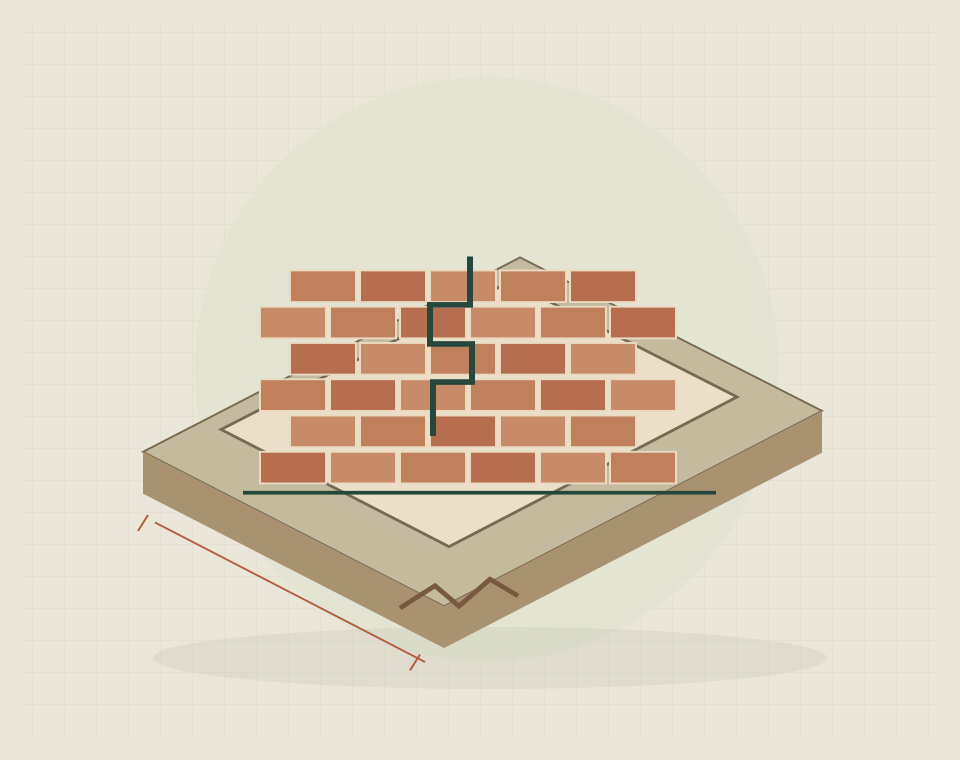
Visible building damage
Visible building damage can include cracked masonry, deteriorated timber, loose material or changes in floors and openings. Similar symptoms can have different causes, so the first step is to establish what is affected and whether further assessment is needed. Local repair may be suitable for a defined defect; wider movement or instability needs a different response. If an area appears immediately unsafe, keep clear and seek urgent professional help.
Masonry, timber and movement repairs
Brickwork repairs concern joints, masonry units and defined local defects. Structural timber repairs concern load-bearing timber such as beams or joists. Subsidence enquiries need to distinguish suspected ground-related movement from a confirmed assessment. Choose the route that matches the information you have, not a guessed diagnosis.
Establishing the cause of damage
Understanding the cause helps determine whether a local repair is sufficient or whether other work must come first. Investigation, specialist advice or monitoring may be relevant. Covering a crack or replacing damaged material without understanding why it failed can leave the central issue unresolved.
Repair scope and making good
Keep the remedial scope distinct from decoration and wider renovation, while showing how they connect. A repair quotation should describe the affected construction and the finish expected afterwards. If other property improvements are planned, coordinate their timing so they do not conceal or interfere with necessary assessment.
Preparing a building repair enquiry
Provide the available findings, a short symptom history and known access limitations. State whether the enquiry concerns investigation or already specified building work. This distinction helps the next step respond to the actual need without pretending that a routine quote request can replace a professional diagnosis.
Practical building questions
Your questions, answered.
Can repair work be quoted from photographs alone?
Sometimes for an initial indication, but not reliably where the cause or extent is hidden. Send an overall view and close-ups with dates, and expect a site assessment where those images leave important questions unresolved.
Should an existing survey report be provided?
Yes. Supply the relevant report pages, date and limitations. A recommendation for further investigation should not be presented as a completed repair design or a confirmed construction scope.
When does a defect need specialist assessment before building work is defined?
Before pricing a remedy where the cause, stability or extent is uncertain. Tell the assessor about previous repairs and recurring symptoms so the next investigation can address what earlier work did not resolve.