New or changing signs of movement
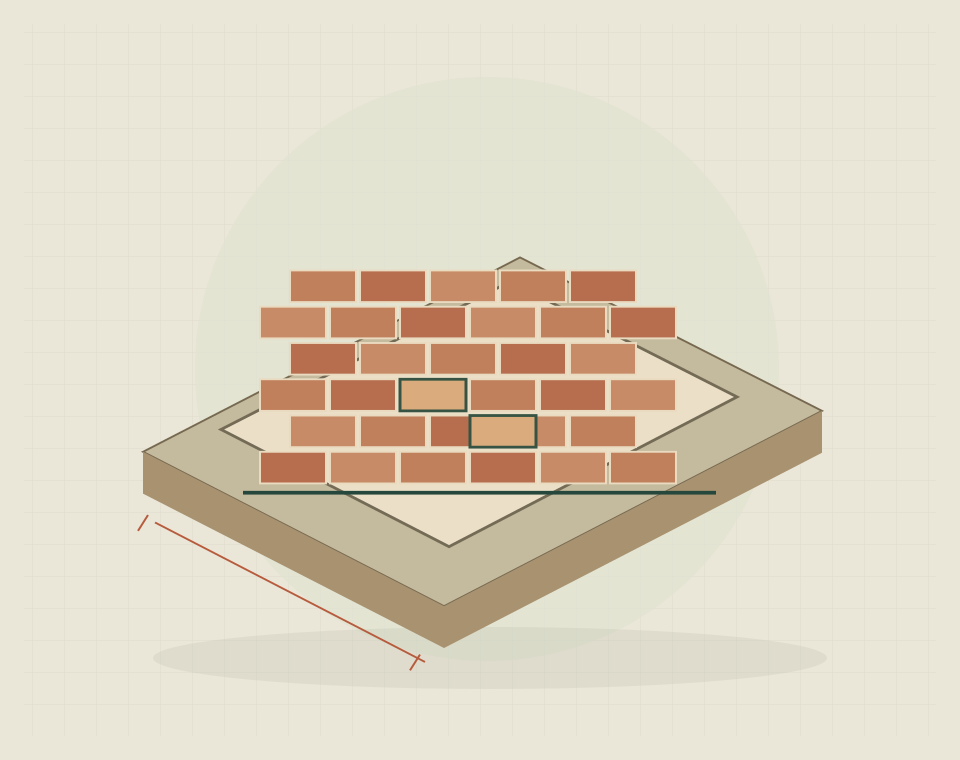
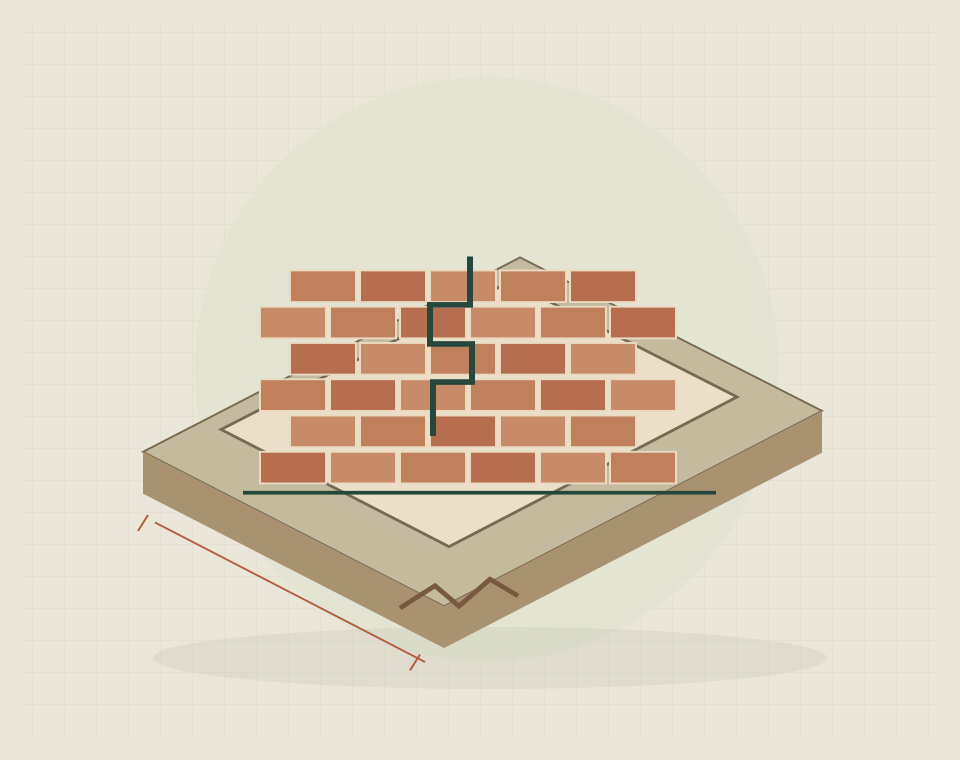
New cracks, changing gaps or altered floor and door behaviour can prompt concern about movement, but they do not establish subsidence on their own. A professional assessment distinguishes possible causes and determines whether investigation or monitoring is needed. Record changes only where it is safe to do so. If the building appears immediately unsafe, keep clear and seek urgent professional help; a routine repair enquiry cannot confirm that it is safe.
Existing surveys and assessments
Distinguish your observations from a professional diagnosis. Existing reports, monitoring information and relevant insurer instructions can clarify the position. If no assessment has taken place, arrange suitable professional advice before choosing a remedial method or requesting a price for an assumed cause.
Repairs matched to the identified cause
Repairs should follow the identified cause and the agreed remedial design. Underpinning is not an automatic answer to cracking, and surface repairs alone may not address ongoing movement. Avoid selecting a method from a general description of symptoms; the scope needs to reflect the particular building and findings.
Remedial work and making good
The project may involve remedial work followed by making good, with timing and responsibilities defined by the relevant assessment. Drainage work belongs in the scope where findings identify it as part of the problem. Masonry repairs should likewise follow the agreed sequence rather than simply cover visible evidence of movement.
Preparing an assessed subsidence repair enquiry
When a remedial scope is available, provide the relevant reports and drawings with the enquiry. State the work already completed and the role of any professional or insurer involved. This gives the building quotation a clear basis and separates construction responsibilities from ongoing assessment or monitoring.
Practical building questions
Your questions, answered.
Do cracks and sticking doors prove subsidence?
No. These symptoms can have other causes. Record when they appeared and any changes where safe, and provide that history for assessment rather than choosing a repair from the symptoms alone.
Is underpinning always needed?
No. The remedy depends on the diagnosed cause and agreed design. Ask the appointed professional to explain the purpose of the recommended work before seeking a price for a particular method.
What information should be available before remedial building work is quoted?
Provide the agreed remedial design and relevant findings, with ongoing monitoring responsibilities identified. Where an insurer or appointed professional is involved, confirm the scope has been agreed before commissioning the construction work.